"Composite" is one of the more confusing words in fencing, partly because it gets used loosely and partly because it sits between the two materials most people already know. It is not wood and it is not the hollow plastic that most vinyl fences are made of. It is its own thing, and it exists to solve a specific problem: people who love the look and heft of a wood fence but do not want to sand, seal, or stain it every few years. This guide explains what composite fencing is and gives you the honest trade-offs against wood and vinyl.
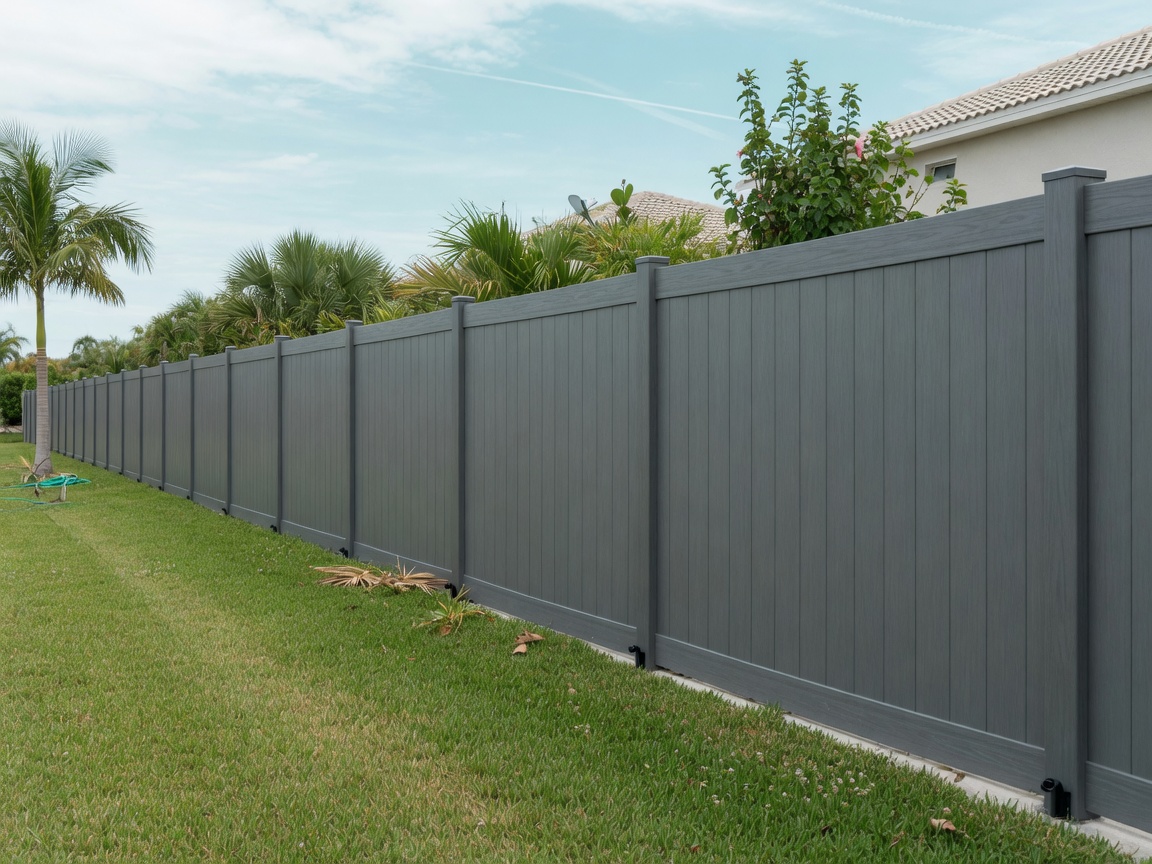
What Composite Fencing Actually Is
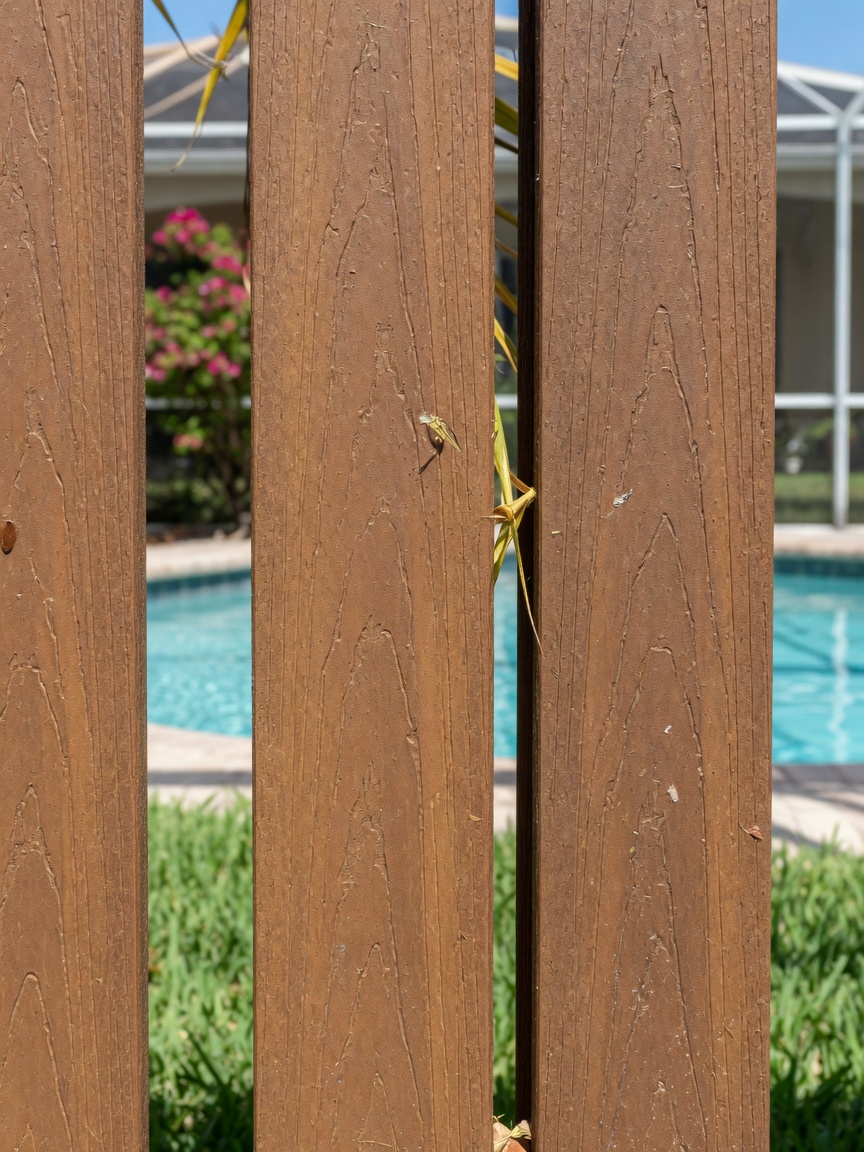
Composite fencing is made from composite lumber, a manufactured material that blends wood fibers with plastic, often recycled plastic, pressed together into solid boards. The wood content gives it a grain and a weight closer to real lumber; the plastic content is what makes it resist rot, insects, and moisture. You may hear it called wood-plastic composite, and you will hear brand names too. Trex is the best-known composite manufacturer, and its name is used so often that some people say "Trex fence" the way they say "Kleenex." The key idea is that composite is a hybrid: real wood fiber for looks and feel, plastic for durability.
The Two Halves of the Blend
It helps to picture composite as two materials doing two jobs at once, because that is exactly what it is.
The wood fiber does the looking
The ground wood content is what gives composite its grain, its color depth, and the solid heft that reads as lumber rather than plastic when you knock on it. It is the reason composite can pass for wood at arm's length.
The plastic does the lasting
The plastic content is what seals the wood fiber away from water, insects, and rot, so the board does not behave like the raw lumber inside it. That is the whole trick, and it is what makes composite worth its premium in a wet climate.
Good to know
Much of the plastic in composite is recycled, which is a small side benefit some homeowners like on top of the performance.
Composite vs. Vinyl
This is the comparison that trips people up, because both are "plastic-ish" and both are low-maintenance. The difference is real. Most vinyl fencing is rigid PVC formed into hollow panels: light, uniform, and inexpensive relative to composite. Composite is a solid board with wood fiber in it, so it is heavier, feels more like wood in the hand, and generally reads as more premium up close. The trade is cost: composite typically sits above vinyl on the price scale.
Hollow Versus Solid Is the Whole Difference
Pick up a length of each and the distinction is obvious. Vinyl is a hollow extrusion, so it is light and uniform. Composite is a solid board, so it has weight and a texture closer to sawn lumber. Neither is better in the abstract. They just feel and cost differently.
If you want the absolute lowest-maintenance solid panel and do not care about a wood-like feel, vinyl is the value pick, so start on our vinyl and composite fence page, which covers both. If you specifically want the wood look with weight behind it, composite is why you would pay more.
Composite vs. Wood
Against real wood, composite trades money for time. Wood costs less up front and gives you genuine grain and the option to stain any color, but it needs recurring maintenance and it is vulnerable to rot and insects, more so in a humid coastal climate. Composite costs more up front but asks for almost nothing after installation: no staining, no sealing, and no rot. Over a long enough horizon, the low upkeep is the whole pitch. If you love the ritual of maintaining a natural wood fence, or you want the lowest sticker price, wood still wins on those terms.
The Case For Composite
- Low maintenance. No sealing or staining. Cleaning is typically just a rinse. This is the number-one reason people choose it.
- Moisture and rot resistance. The plastic content means it does not soak up water or feed insects, which is a real advantage in humid, salt-touched air.
- Wood-like look and heft. It reads and feels closer to real lumber than hollow vinyl does, so it suits homeowners who want the wood aesthetic without the wood chores.
- Color stability. Composite holds its color rather than needing re-staining, though like anything outdoors it can mellow with years of sun.
The Case Against Composite
- Higher upfront cost. Composite generally costs more than both wood and standard vinyl. It is a premium product and priced like one.
- Weight and installation. Solid composite boards are heavier than hollow vinyl, which can affect how the fence is engineered and installed.
- Repairs replace whole pieces. Like vinyl, a damaged composite board is swapped out rather than patched, and matching an older, sun-mellowed color can be tricky.
- Not "maintenance-free." It is low-maintenance, not no-maintenance, so it still gets dirty and still benefits from an occasional wash.
Composite on the Gulf Coast
The coastal angle is favorable for composite. Because the material does not rot and resists moisture, the humidity and salt air that punish an unsealed wood fence here have far less to work with. That makes composite a reasonable premium option for homeowners who want a wood look near the water without committing to the sealing schedule wood demands in this climate.
Where Composite Earns Its Keep Here
The single biggest coastal advantage is that composite does not care about humidity the way wood does. There is no reseal schedule racing against the wet-dry cycle, and no soft, rotting board to replace after a few damp seasons. For a near-water lot, that is the whole pitch.
The Storm-Season Caveat Still Applies
As with any tall, solid privacy fence, the storm-season question is about the posts and hardware underneath. A solid composite panel still catches wind like a wall, and its extra weight means the frame carrying it has to be sound. Our crews set post depth and fastener quality to matter as much as the panel choice.
Installation and What to Expect
Composite installs on the same bones as any good fence, posts, footings, and rails, but its weight and its system components change a few things worth understanding before the crew shows up.
Weight Changes the Engineering
Solid composite boards are heavier than hollow vinyl, so the posts and rails carrying them have to be sized and set for that load. This is not a drawback so much as a reason to have it installed by a crew that builds composite regularly rather than treating it like light panel work.
It Is a System, Not Just Boards
Most composite fencing is sold as a coordinated system of posts, rails, and infill designed to work together. Mixing parts or improvising around a tricky corner is where trouble starts, which is why sticking to a product line and planning the layout up front pays off.
Who Composite Fencing Is Really For
Composite makes the most sense for a homeowner who wants the appearance and substance of a wood fence, plans to keep the fence for a long time, and would rather pay more once than maintain it every few years. If budget is the priority, wood or standard vinyl will get you there for less. If you want the premium wood-look with minimal upkeep and you are on a humid coast, composite is exactly the material that was designed for that brief.
Getting a Composite Quote
Composite pricing varies a lot by product line and layout, so a real quote beats any range you will read online. The most useful thing is to have composite quoted next to a comparable vinyl or wood fence so you can see the actual premium for your yard, not a national average. Show us the project once and we will price it out. As a fence company in Gulf Breeze, FL, we can also tell you which composite lines have held up best in this climate, the kind of on-the-ground read that decides whether the premium is worth it for you.
Talk to us
Start on our fence company in Pensacola, FL or send us a quote request.
Vinyl & composite
See the panels we install: vinyl & composite fences.
Weighing wood?
The honest tradeoff: wood vs. vinyl fencing.